 OPTIMUS DISTRIBUTOR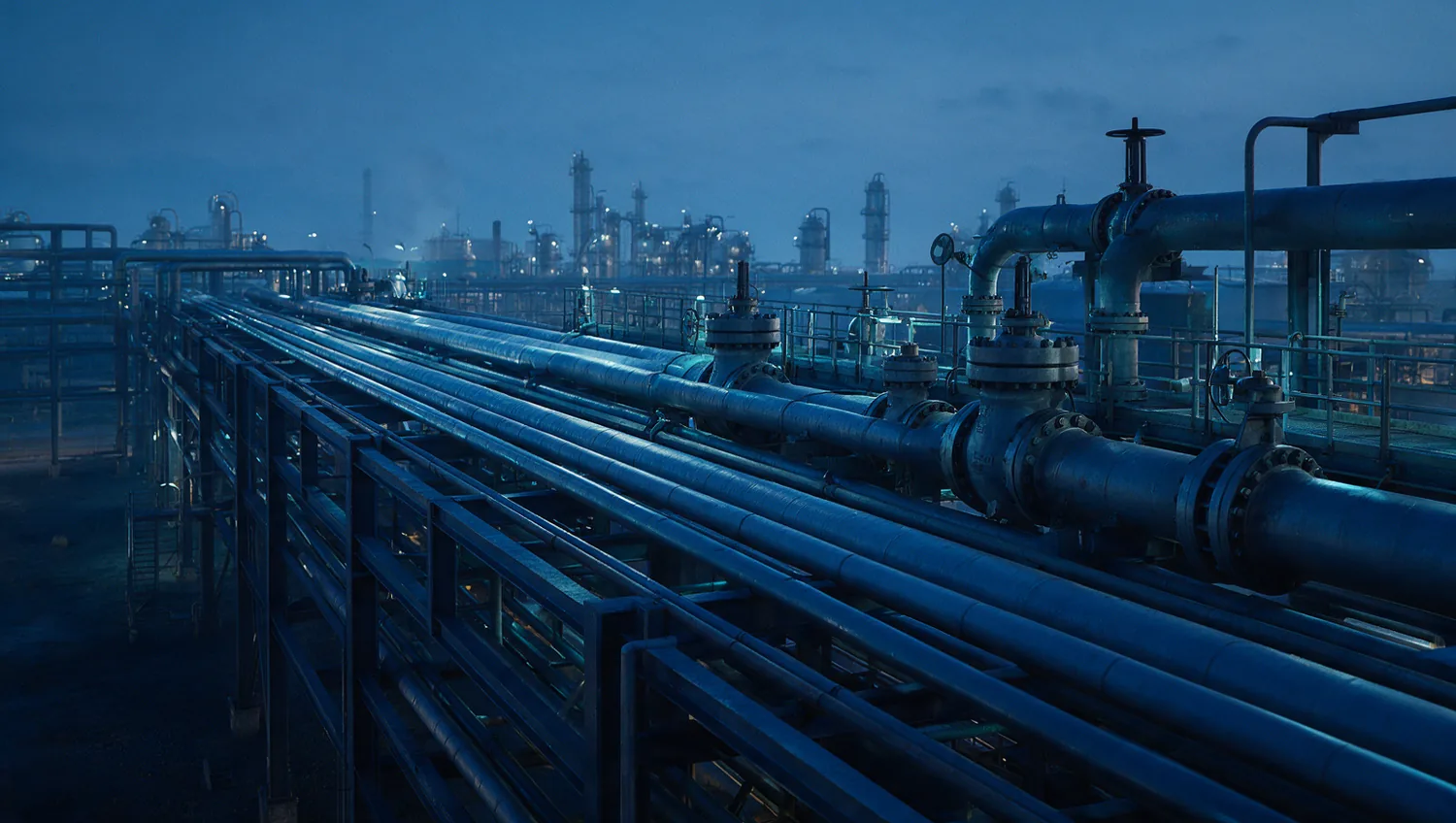
Valves for severe service in oil, gas and petrochemical plants
Oil, gas and petrochemical plants specify valves against severe service: high pressures, hydrocarbons, steam and cycling duty. Optimus Distributor supplies KITZ ball, gate, globe and check valves, DFT axial check valves for pump and compressor protection, and industrial dampers for flue gas systems. Behind it sits ISO 9001:2015 quality management and engineers who verify materials and ratings against each line's conditions.
- Process units
- Pumps & compressors
- Tank farm
- Steam & utilities
- Fired heaters
- Firewater
What "severe service" actually asks of a valve
Refineries, gas plants and petrochemical trains are not harder on valves because the fluid is exotic. They are harder because three demands arrive at once.
Light ends find every leak path. Heavy streams coke. A weeping stem here is a safety event, not a housekeeping one.
Class ratings must hold at temperature, not at ambient. Then come the start-up, upset and depressurisation cases the nameplate never mentions.
Valves stroked hundreds of times a month under automation. Seat and packing life then decide the maintenance interval for the whole unit.
That is why this industry writes valve specifications instead of shopping a catalogue page, and why our first questions are about the line, not the item number. The duty map below follows the same order: service first, valve family second, brand last.
Isolation and throttling in the process units
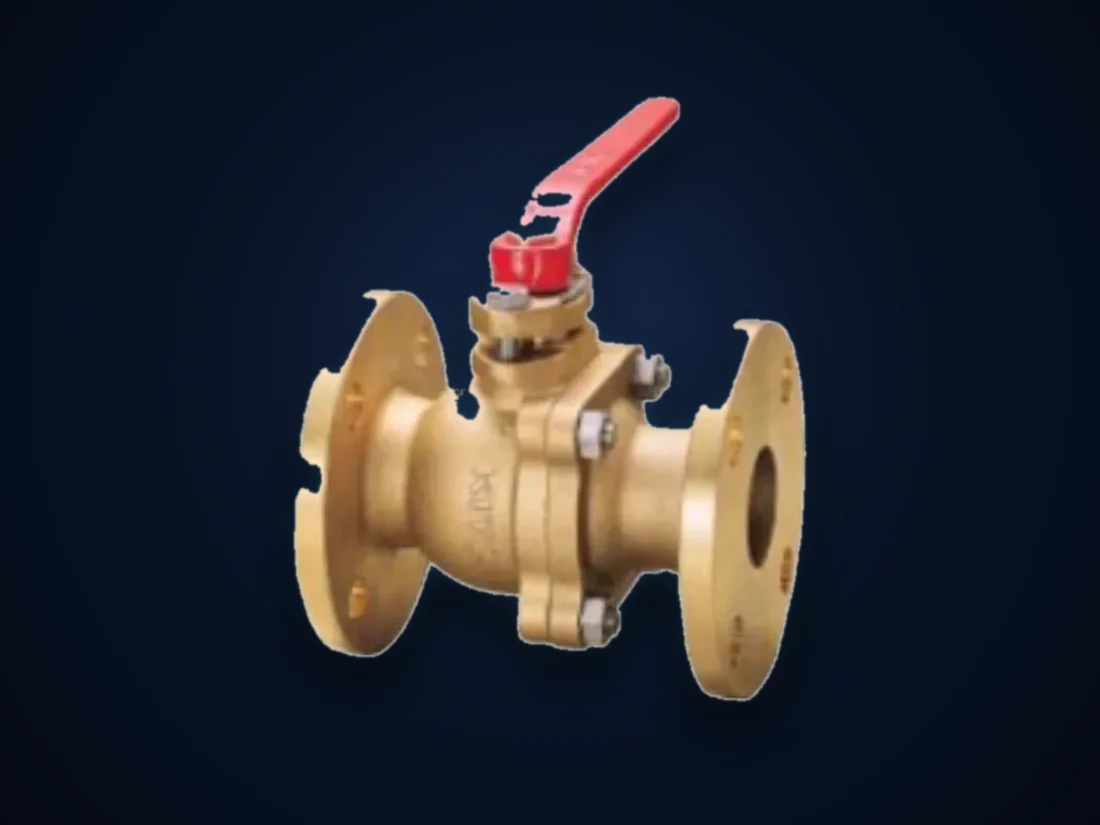
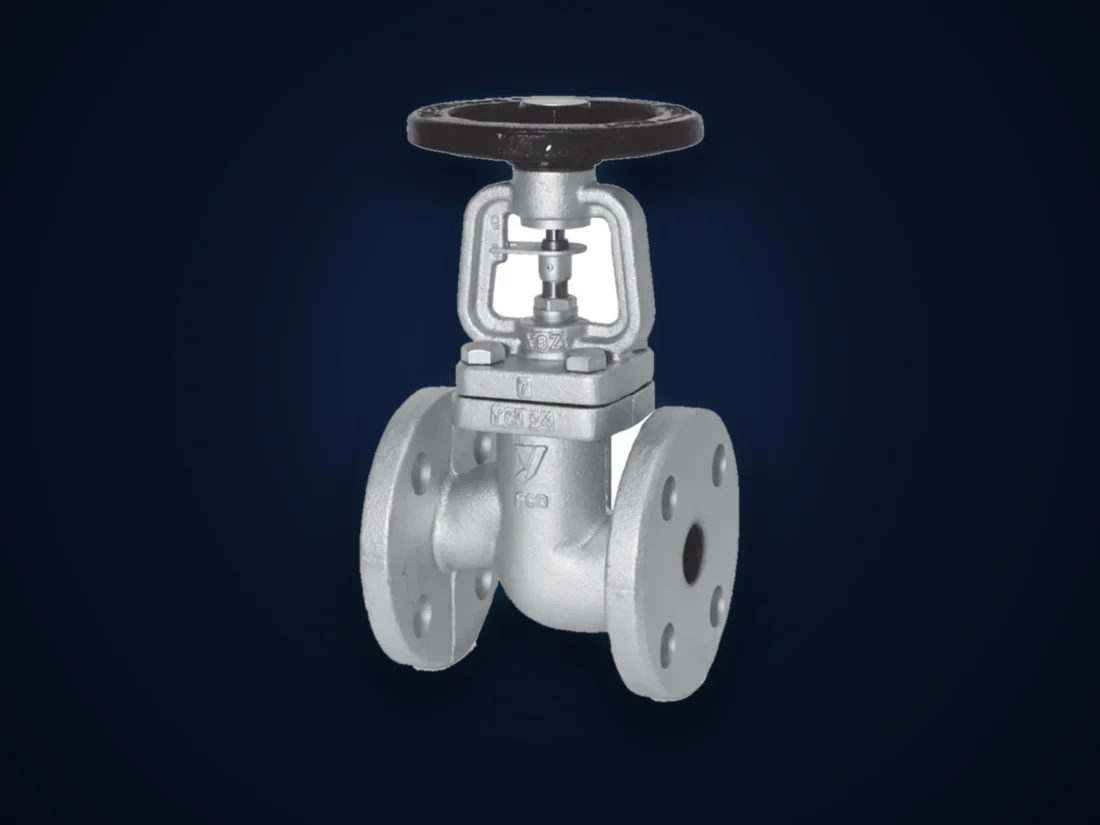
Most of a plant's valve population is isolation, and the pattern follows bore and frequency. Ball valves take the lines that cycle, need tight shutoff and will eventually be automated. Gate valves take the larger, slower, full-bore duties. Globe valves take regulation, where flow is metered rather than switched. The reasoning behind each trade is laid out in gate, globe or ball. Where a specification asks for a fire-tested ball valve, read what API 607 and ISO 10497 prove.
- Ball valves: cycling service, tight shutoff, straightforward actuation
- Gate valves: full-bore isolation on large transfer and header runs
- Globe valves: throttling and pressure-letdown duties on process and utility lines
- Carbon steel bodies for general hydrocarbon service; stainless where corrosion, low temperature or product purity says so
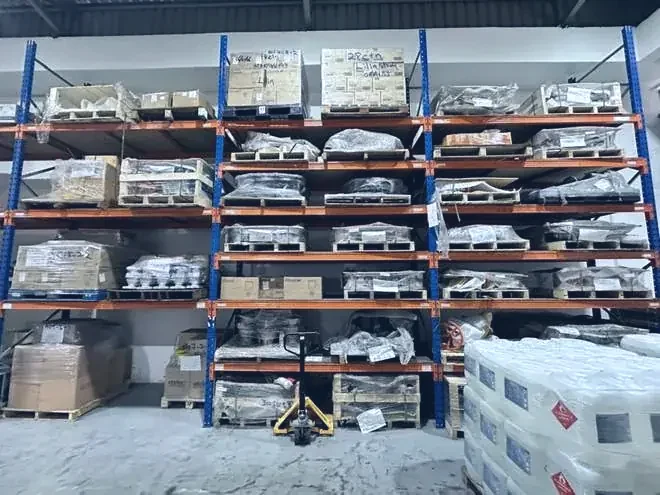
Body material is the decision most often made too fast in this sector. Carbon steel is the workhorse, but sour, wet, chloride-bearing or cryogenic service each rewrite the answer. The comparison sits in valve body materials compared. The core line behind these duties is KITZ, held on our racks in Subang Jaya.
Plant duty by plant duty, mapped to a valve family and its principal
| Plant duty | Typical service | Valve family | Principal |
|---|---|---|---|
| Process isolation | Hydrocarbon liquid and gas, tight shutoff, frequent operation | Ball & gate valves, carbon and stainless steel | KITZ |
| Regulation & throttling | Metered flow into exchangers, columns and recycle lines | Globe valves | KITZ |
| Pump & compressor discharge | Reverse flow stopped before it accelerates on trip or shutdown | Silent / axial check valves | DFT |
| Firewater & seawater service | Corrosive water duty, standby pumps that start under alarm | NAB silent check valves | DFT |
| Steam & utility reduction | Header letdown, tracing, condensate removal | Pressure reducing valves & steam traps | Yoshitake |
| Fired equipment flue gas | Hot, particulate-laden duct isolation and combustion air balancing | Butterfly, louver & guillotine dampers | DTL |
| Automated cycling duty | Remote operation with defined fail action and stroke timing | Actuated valve packages | KITZ · Optimus |
The map is selection guidance, not a specification: the right figure depends on fluid, pressure, temperature, cycling and the piping class it must match. Our authorised distributorships are KITZ, Yoshitake, Pettinaroli, DFT and DTL; Tiemme is a principal; Optimus is our own house line. Actuated packages are assembled to the figures your specification calls for: see actuators and automation.
Check valves that protect pumps and compressors
The most expensive item on a hydrocarbon skid is rarely the valve. It is the machine behind it. When a pump trips or a compressor loses drive, the column of fluid downstream stops, turns and comes back. A swing check closes only after reversal has begun, so it slams, spikes the line and passes reverse rotation back into the machine.
A spring-assisted axial pattern removes the cause instead of muffling it. The disc is already travelling toward its seat as forward velocity decays, so it shuts before reverse flow organises. That is the engineering case for the DFT range, engineered silent / axial check valves from Exton, Pennsylvania. A banging discharge line is usually a selection problem, not a pipe-support project. The mechanism is in our guide to water hammer and valve selection.
Flue gas ducting is not pipework
Downstream of the process, the plant still has to breathe. Fired heaters and boilers move combustion air in and flue gas out through ducting, and ducting is governed by different engineering from pipework: blade seal design, thermal growth, duct loading and the isolation a maintenance crew can stand behind. Seat leakage classes give way to damper leakage classes.
Butterfly, louver and guillotine dampers cover the range, from modulating combustion air to positive isolation for entry. They sit with DTL industrial dampers, the damper specialist on our line card, not with our pipeline principals. Steam and condensate on the same fired equipment are a third discipline, handled by Yoshitake pressure reducing valves and steam traps; sizing that letdown is covered in how to size a PRV.
Verifying materials and ratings before the order goes out
Optimus Distributor holds ISO 9001:2015 Quality Management, certified under the United Accreditation Foundation. On a quotation that is not a logo. It is why a defined check happens between your enquiry and our reply, every time:
- The duty you send is read against the figure quoted: fluid, pressure, temperature, cycling, end connection
- Body and trim materials are confirmed against the manufacturer's current datasheet, not a remembered figure number
- Pressure class is checked at your operating temperature, not only at ambient
- Anything the specification leaves ambiguous comes back as a question before it becomes an order
The other half of that assurance is the channel. Product bought through an authorised distributorship arrives through the manufacturer's own route. A specification question goes back to the principal for the manufacturer's answer, not an opinion: that is what an authorised distributor guarantees you. Where a specification looks over-engineered for the duty, or dangerously light for it, we say so before quoting. The selection logic is public, in choosing the right industrial valve.
How an oil and gas enquiry runs here
An enquiry from a plant, an EPCC or a skid fabricator arrives as a line list or a tag list. It goes back with the three answers every first call wants: price, lead time and stock, quoted against the duty rather than against a guess. Where the list is incomplete, we ask. Where a figure has been carried over from an older project, we flag it. The full route is set out in how ordering and technical support work.
Send the tag list from your next turnaround.
Duty by duty, we come back with price, lead time and stock, plus materials and ratings checked against the conditions you gave us.