 OPTIMUS DISTRIBUTOR
- The valve will sit open for years and move only for maintenance
- The line is large bore, where ball cost climbs and gate cost does not
- The bore must stay clear for pigging, brushing or rodding
- Service temperature is above what a soft seat will take
- Slow closure is wanted to protect a long liquid column
- The valve should be repairable in line rather than replaced
Comparison · Isolation valves
Gate valve vs ball valve
Rule of thumb Cycles often or gets actuated → ballA gate valve isolates with a rising wedge. It suits slow, infrequent operation on long straight runs. A ball valve isolates with a quarter-turn ball: fast, tight shutoff and clear open-closed indication. Choose the gate for full-bore piggable lines and high temperatures with rare cycling. Choose the ball where operators need speed, frequent cycling or actuation. Optimus Distributor stocks both patterns and matches each to the duty.
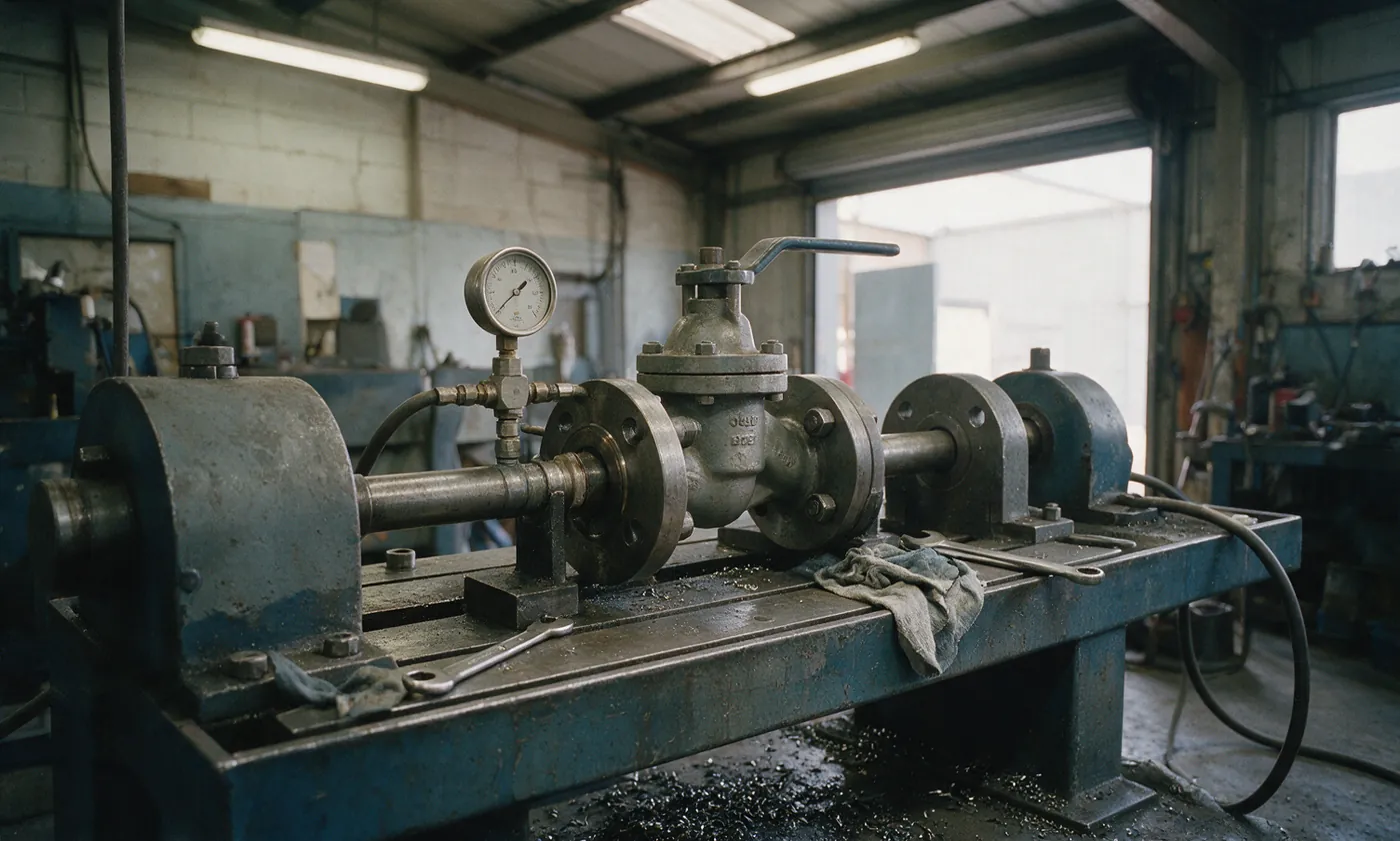
Pattern A
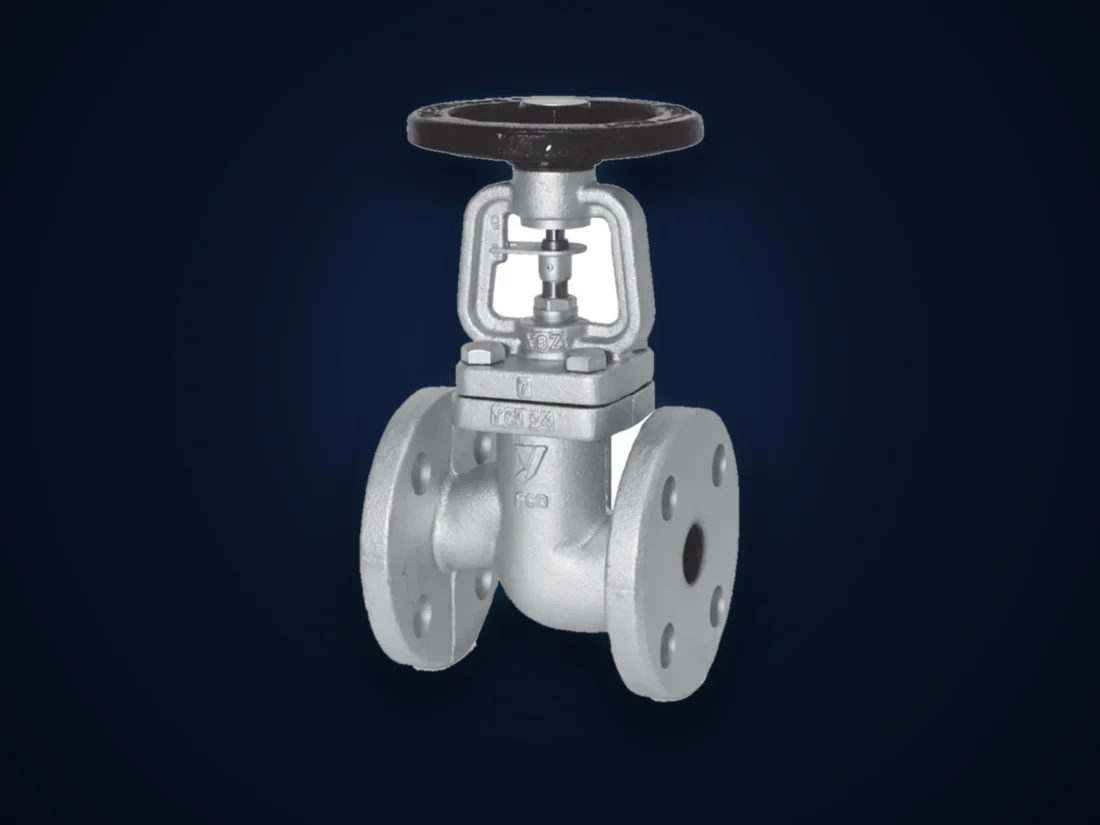
Gate valve
vs
A wedge or parallel disc lifts clear of the bore on a threaded stem. Many turns to open, full bore when it is, metal on metal at the seat.
Pattern B
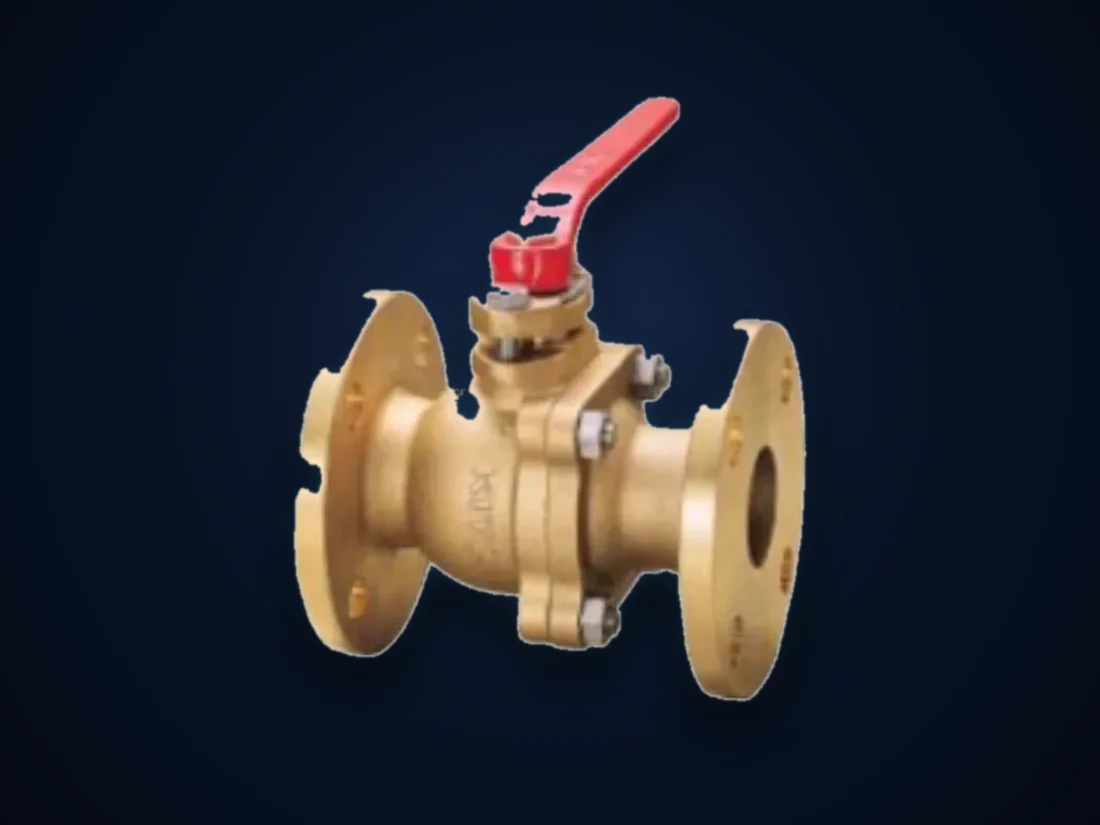
Ball valve
A bored ball rotates a quarter turn between two seats. Open or shut in one movement, with the handle showing which from across the plantroom.
How each one shuts a line
A gate valve works along the axis of the stem. Turning the handwheel drives a wedge down across the flow until it lands in the seat, then lifts it clear to open. That takes many turns, which is why the mechanism is called multi-turn. The reward is a bore that is completely unobstructed when the wedge is up: no seat ring in the flow, no cavity, nothing for a pig to catch on. The penalty is wear: the seat faces rub every time the wedge lands.
A ball valve works across the flow instead. A solid ball with a bore through it sits between two seat rings. A ninety-degree turn of the lever swings the bore in line with the pipe or square to it. There is no rising stem and no ambiguity about state: the lever is either along the pipe or across it.
Tightness: metal on metal, or ball on soft seat
This is where most arguments are settled. A gate valve seals metal against metal. That is robust: it tolerates heat and a little grit, and it can be lapped back into service. It is not tight in the way a fitter means tight. A small permitted leakage rate is normal and specified. On a utility header being isolated for maintenance, nobody minds. On a line that must be proven shut before a flange is opened, it is a problem.
A soft-seated ball valve seals elastomer or PTFE against a machined ball, and it does so to bubble-tight classes as standard. That is why the ball pattern dominates instrument isolation, sampling points and gas service. The trade is the seat: PTFE sets the temperature ceiling, and a soft seat does not enjoy grit. The globe valve is the third option for anything being throttled, and the choice is laid out in gate, globe or ball.
03 · Criterion by criterion
Eleven criteria, decided one at a time
| Criterion | Gate valve | Ball valve |
|---|---|---|
| Operation | Multi-turn handwheel; many rotations end to end | Quarter turn of a lever, or a gearbox at large sizes |
| Time to close | Slow by design: gentle on the water column | Fast; slow enough only if the operator is careful |
| Shutoff tightness | Metal on metal; a specified leakage rate is normal | Soft-seated to bubble-tight classes as standard |
| Pressure drop, fully open | Full bore, effectively no restriction | Full bore matches it; reduced bore adds measurable drop |
| Cycling life | Seat faces and wedge wear with every landing | Designed for repeated operation; seats wear predictably |
| Temperature ceiling | Set by the body and trim metallurgy; takes steam and hot oil | Set by the soft seat; metal-seated designs cost more |
| Automation readiness | Needs a multi-turn electric actuator; slow and bulky | ISO 5211 pad, quarter-turn pneumatic or electric actuator |
| Position indication | None at a glance; the handwheel looks the same either way | The lever reads open or shut from across the plantroom |
| Cost at large bore | Economical as diameter grows; the classic large-line choice | Ball and seat cost climbs steeply with diameter |
| Throttling duty | Unsuitable: a part-open wedge chatters and erodes | Unsuitable: a part-open ball erodes the seat edge |
| Maintenance | Packing and seat faces serviceable in line on larger cast bodies | Small-bore units are usually replaced rather than repaired |
General engineering guidance for selection, not a specification. Actual pressure and temperature limits, leakage classes, bore options and actuator mounting come from the manufacturer's datasheet for the figure concerned. Confirm against the current edition and your purchase order before ordering.
Speed, torque and how often it moves
Ask how many times a year the valve will be operated and most selections answer themselves. A valve that moves twice a decade has no use for speed. It needs a full unobstructed bore and a body that will still be there in twenty years. That is the gate valve's home ground. A valve that moves every shift is a different animal: the gate's seat faces are scrubbed each time it lands, and the operator turns a handwheel while the process waits.
Speed cuts both ways. A quarter turn on a long liquid line is exactly how water hammer starts. The column stops in a fraction of a second and the pressure spike finds the weakest joint. Where that risk is real, gear the ball valve so it cannot be slammed, or accept the gate's slow travel as a feature. The rules are set out in our guide to water hammer.
If it will ever be actuated, decide now
Quarter-turn geometry made the ball valve the default for automation. The stem needs ninety degrees of rotation, the mounting pad is standardised, and a pneumatic or electric unit bolts straight on. A gate valve can be actuated, but it needs a multi-turn actuator, and the assembly is heavier, slower and dearer for the same line size. Retrofitting actuation is a common reason a valve package gets bought twice. Settle the sizing, the pad and the fail position up front. See our actuators and automation page.
Where each pattern stops being the cheap answer
Two ceilings decide the rest. The first is temperature. A soft-seated ball valve is limited by its seat, not its body, so steam, hot oil and thermal-fluid duties push you to a metal-seated ball or straight back to the gate. The second is diameter. Below roughly DN50 a ball valve is usually the cheaper buy. As the bore grows, the ball and its seats grow with it, and somewhere in the DN150 to DN250 region the gate becomes the economical answer. Where the money goes across a whole line list is the subject of why the cheapest valve usually costs the most.
Body material sits underneath both ceilings. It is the question we get asked most often once the pattern is settled: bronze, cast iron, carbon steel or stainless, each with its own price and service envelope.
07 · The decision
Choose a gate valve when
Choose a ball valve when
Choose the gate when · choose the ball when
- Shutoff has to be proven tight before a flange or fitting is opened
- The valve is cycled often: per shift, per batch, per test
- An operator needs to see open or shut at a glance
- The valve is, or may become, actuated
- The line is small bore, where the ball is the cheaper buy anyway
- Gas, instrument or sampling service demands zero permitted leakage
What we tell engineers who ask
We stock both patterns across our principals: 283 products across 30 categories, in bronze, cast iron, carbon steel and stainless. We have no commercial reason to push either one. The verdict below is the one we give on the phone.
Our verdict
Specify a ball valve wherever the valve is cycled, actuated, small bore, or has to be proven bubble-tight. That covers most of a modern line list, and the quarter-turn geometry keeps its options open if the line is automated later.
Specify a gate valve for large-bore isolation that rarely moves, for temperatures above what a soft seat will take, and for lines that must stay fully clear through the bore. Below roughly DN50 the ball usually wins on price too; above DN150 the gate usually wins it back.
The mistake we see most often is not the wrong pattern. It is choosing on unit price alone and paying for it in downtime, or specifying three classes above the duty and paying forever. Both come from a line list priced before anyone asked what the line does. Send us the duty and we will mark up the list with you: fluid, pressure, temperature, cycling and whether it will be actuated. That is the argument of duty first, budget second.
Isolation valves · Both patterns stocked
Send the line list. We will mark up the pattern.
Size, class, fluid and how often it moves is enough to start. Price, lead time and stock on the first reply, plus an engineer who will say when the cheaper pattern is right.